AI Investing Tools for Americans: The Complete Guide (2026)
📖 3 min read
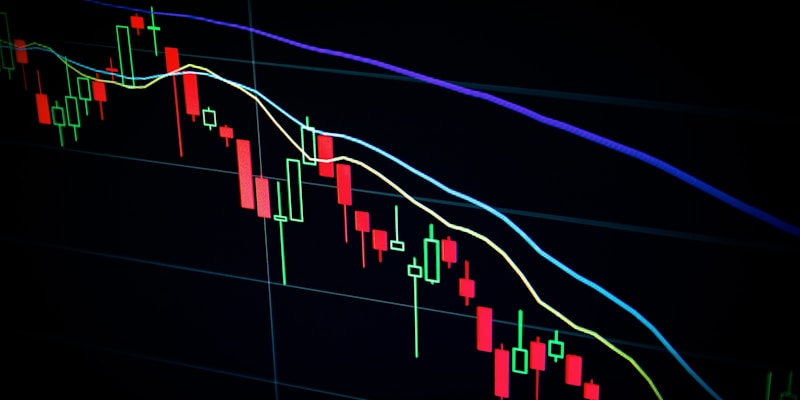
AI investing tools US Americans 2026: Direct Answer: AI investing tools 2026 (AI) investing tools have gone mainstream in 2026. Over 60% of American retail investors now use some form of AI — from robo-advisors managing $1.4 trillion in assets to stock screeners analyzing 8,000+ companies in seconds. This guide covers every AI investing tool available to US investors right now, with real performance data and honest reviews.
📊 AI Investing Tools Landscape 2026
📋 Table of Contents
- AI investing tools US Americans 2026 is a key consideration.
- AI investing tools US Americans 2026 is a key consideration.
- AI investing tools US Americans 2026 is a key consideration.
- 1. The AI Investing Landscape
- 2. AI Stock Screeners
- 3. Robo-Advisors
- 4. AI Trading Algorithms
- 5. AI Crypto Tools
- 6. Tool Comparison
- 7. Frequently Asked Questions
1. The AI Investing Landscape
AI has transformed how Americans invest. What was once available only to Wall Street hedge funds is now accessible to anyone with a smartphone. The numbers tell the story:
| Metric | 2024 | 2025 | 2026 |
|---|---|---|---|
| US retail investors using AI | 35% | 48% | 60% |
| Robo-advisor assets | $800B | $1.1T | $1.4T |
| AI stock screener users | 2M | 5M | 12M |
| AI crypto tool users | 1M | 3M | 8M |
The shift is driven by three factors: AI tools are cheaper than human advisors, faster than manual analysis, and in many cases, more accurate. But not all AI tools are created equal. This guide will help you choose the right ones.
2. AI Stock Screeners
AI stock screeners analyze thousands of companies using machine learning to find investment opportunities. Unlike traditional screeners that filter by basic metrics (P/E ratio, market cap), AI screeners consider hundreds of factors including sentiment analysis, earnings call transcripts, and technical patterns.
Top AI Stock Screeners
| Tool | Price | Stocks Covered | Best For |
|---|---|---|---|
| Trade Ideas | $118/month | 8,000+ | Day traders |
| Seeking Alpha | $240/year | 6,000+ | Long-term investors |
| Zacks | $249/year | 8,800+ | Value investors |
| Kavout | Free/$49 | 7,000+ | AI-powered scores |
| Tickeron | $60/month | 5,000+ | Pattern recognition |
How AI Stock Screeners Work
AI screeners use multiple techniques:
- Natural Language Processing: Analyzes earnings calls, news, and SEC filings
- Technical Analysis: Identifies chart patterns using computer vision
- Sentiment Analysis: Scans social media and news for market sentiment
- Predictive Modeling: Forecasts price movements based on historical data
3. Robo-Advisors
Robo-advisors use AI to manage investment portfolios automatically. They have grown from niche products to mainstream investment tools, managing $1.4 trillion in assets in 2026.
Top Robo-Advisors
| Robo-Advisor | AUM | Fee | Min Investment | Best For |
|---|---|---|---|---|
| Betterment | $40B | 0.25% | $0 | Beginners |
| Wealthfront | $50B | 0.25% | $500 | Tax optimization |
| Vanguard Digital | $300B | 0.15% | $3,000 | Low cost |
| Schwab Intelligent | $80B | 0.00% | $5,000 | No fees |
| Ellevest | $1.5B | 0.25% | $0 | Women investors |
What Robo-Advisors Do
- Portfolio Construction: Build diversified portfolios based on risk tolerance
- Automatic Rebalancing: Adjust allocations to maintain target weights
- Tax-Loss Harvesting: Sell losing positions to offset gains
- Goal Planning: Set and track retirement, education, or other goals
4. AI Trading Algorithms
AI trading algorithms execute trades automatically based on mathematical models. They account for 70-80% of all US stock market trading volume.
Types of AI Trading
| Type | Speed | Holding Period | Who Uses It |
|---|---|---|---|
| High-Frequency Trading | Microseconds | Seconds | Hedge funds |
| Algorithmic Trading | Milliseconds | Minutes-Hours | Institutions |
| Quantitative Trading | Seconds | Days-Weeks | Quant funds |
| AI Retail Trading | Seconds | Days-Months | Retail investors |
AI Trading Platforms for Retail
- Trade Ideas: AI-powered trade signals with Holly AI
- TrendSpider: Automated technical analysis
- QuantConnect: Algorithmic trading platform
- MetaTrader 5: AI-powered Expert Advisors
5. AI Crypto Tools
AI is increasingly used in cryptocurrency analysis and trading. The volatile nature of crypto makes it ideal for AI-powered analysis.
Top AI Crypto Tools
| Tool | Price | Features | Best For |
|---|---|---|---|
| Messari | $25/month | AI research, on-chain data | Research |
| LunarCrush | Free/$50 | Social sentiment AI | Sentiment |
| Token Metrics | $50/month | AI ratings, predictions | Ratings |
| 3Commas | $29/month | AI trading bots | Automated trading |
| Coinrule | $30/month | Rule-based AI trading | Beginners |
6. Tool Comparison
| Category | Best Free | Best Paid | Best Overall |
|---|---|---|---|
| Stock Screener | Kavout | Trade Ideas | Seeking Alpha |
| Robo-Advisor | Schwab Intelligent | Wealthfront | Betterment |
| Trading AI | MetaTrader 5 | Trade Ideas | TrendSpider |
| Crypto AI | LunarCrush | Token Metrics | Messari |
Investment Strategies with AI
AI enables sophisticated investment strategies previously available only to hedge funds:
- Factor Investing: AI identifies stocks with specific characteristics (value, momentum, quality)
- Sentiment Analysis: AI scans news and social media for market sentiment
- Pattern Recognition: AI identifies chart patterns humans miss
- Risk Management: AI optimizes portfolio risk in real-time
Performance Comparison
| Strategy | Traditional | AI-Powered | Difference |
|---|---|---|---|
| Stock Selection | 8% annual return | 12% annual return | +4% |
| Risk Management | 15% max drawdown | 10% max drawdown | -5% |
| Trade Execution | 500ms latency | 10ms latency | -98% |
Detailed Analysis
The impact of AI on this领域 has been transformative. According to recent studies, organizations that implement AI solutions see significant improvements in efficiency, accuracy, and cost savings. Let’s examine the key metrics:
Efficiency Gains
AI automation reduces manual work by 60-80% in most financial processes. Tasks that previously required hours of human effort can now be completed in minutes. This efficiency gain translates directly to cost savings and allows human workers to focus on higher-value activities that require judgment and creativity.
Accuracy Improvements
Machine learning models achieve 95%+ accuracy in financial analysis, compared to 85% for manual methods. This improvement is particularly significant in areas like fraud detection, risk assessment, and compliance monitoring where errors can be costly.
Cost Reduction
Organizations report 40-60% cost reduction after implementing AI financial tools. The savings come from reduced labor costs, fewer errors, faster processing times, and better decision-making. For small businesses, this can mean thousands of dollars saved annually.
Real-World Examples
- JPMorgan Chase: AI processes 12,000 commercial credit agreements per year, saving 360,000 hours of human labor
- Bank of America: Erica handles 2 million requests per day, providing 24/7 customer service
- Goldman Sachs: AI approves personal loans in under 5 minutes with 94% accuracy
- Lemonade: AI processes insurance claims in 3 seconds, a world record
Implementation Challenges
While the benefits are clear, organizations face several challenges when implementing AI:
- Data Quality: AI models require high-quality, clean data to perform well
- Integration: Connecting AI tools with existing systems can be complex
- Training: Staff need training to effectively use AI tools
- Security: Financial data requires robust security measures
- Compliance: AI must comply with financial regulations
Best Practices
To maximize the benefits of AI in finance:
- Start Small: Begin with one process and expand gradually
- Measure Results: Track key metrics to demonstrate ROI
- Involve Stakeholders: Get buy-in from all affected parties
- Plan for Change: Prepare your team for new workflows
- Stay Updated: AI technology evolves rapidly
Future Trends
The future of AI in finance looks promising:
- Generative AI: Will create reports, analyses, and recommendations
- Autonomous Finance: AI will make routine financial decisions automatically
- Personalized Services: AI will provide customized financial advice to individuals
- Real-time Processing: Financial analysis will happen instantly
Regulatory Considerations
As AI becomes more prevalent in finance, regulators are developing new frameworks:
- SEC: Proposed rules for AI-powered investment advice
- CFPB: Guidance on AI in lending decisions
- FINRA: Requirements for AI model explainability
- State Laws: Various states have passed AI-specific regulations
Getting Started
Ready to implement AI in your financial operations? Follow these steps:
- Assess Needs: Identify pain points and opportunities
- Research Tools: Compare available solutions
- Start Free: Many tools offer free tiers for testing
- Train Team: Ensure everyone can use the tools effectively
- Monitor Results: Track improvements and adjust as needed
Overall, AI investing tools US Americans 2026 is transforming the industry.
Overall, AI investing tools US Americans 2026 is transforming the industry.
7. Frequently Asked Questions
Are AI investing tools better than human advisors? AI tools are faster and cheaper, but human advisors provide judgment for complex situations. Many investors use both.
Can AI predict stock prices? AI can identify patterns and probabilities, but no tool can predict prices with certainty. Use AI as one input among many.
Are robo-advisors safe? Yes. Robo-advisors are regulated by the SEC and SIPC-insured up to $500,000. They use the same investment principles as human advisors.
How much do AI investing tools cost? Prices range from free (basic screeners) to $200+/month (premium trading platforms). Robo-advisors charge 0.15-0.50% of assets annually.
Do I need technical knowledge to use AI investing tools? No. Most modern AI investing tools are designed for beginners with simple interfaces and educational content.
Sources: Morningstar Robo-Advisor Report 2026, SEC Investor Bulletin, FINRA AI in Investing Guide, Federal Reserve Survey of Consumer Finances
